 Vanitiro Editorial Team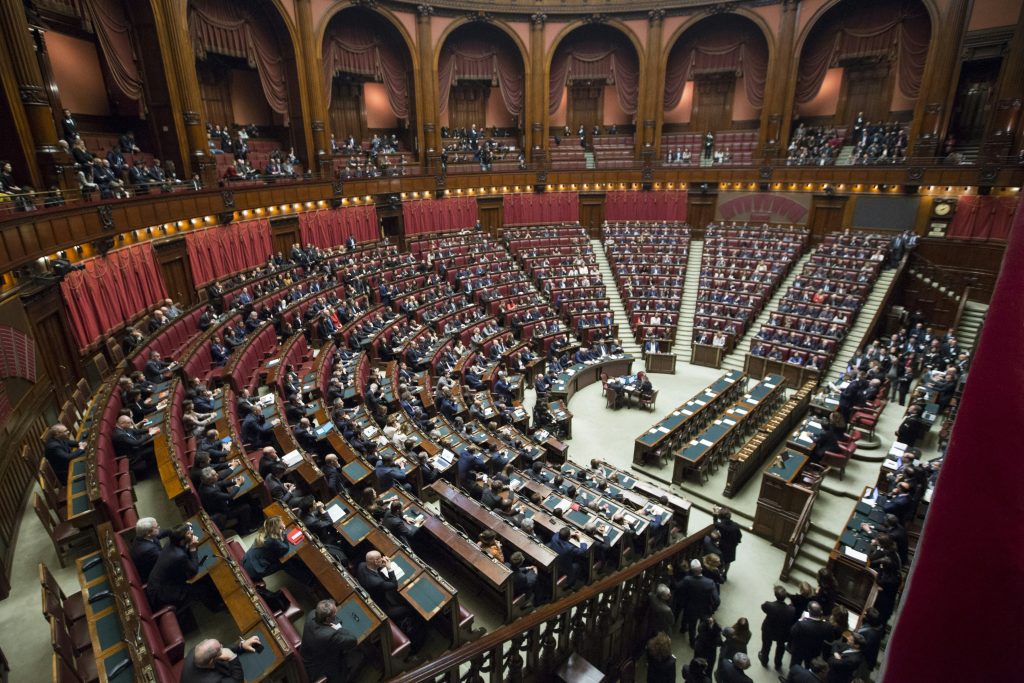
U.S.-Iran war developments may start in the Gulf, but they reach American voters through prices, politics, and national security debates. The Strait of Hormuz carries major energy traffic, so attacks on ships or threats to close the route can raise fuel concerns at home.
How the U.S.-Iran war reaches voters
The conflict is not only a foreign policy story. It also shapes domestic politics. A president who orders military action has to explain the mission, the cost, and the exit plan. Members of Congress then decide whether to back the operation, demand limits, or push for a formal vote on war powers.
Voters judge the U.S.-Iran war through practical questions. They want to know whether the mission makes the country safer. They also watch fuel prices, inflation pressure, and the risk of another long military commitment. Those concerns grow sharper when the fighting involves a shipping lane that influences global energy markets.
Recent reporting shows the administration trying to combine military pressure around Hormuz with diplomacy over a possible deal. That balance requires discipline. Limited force can protect ships and reassure allies. Overreach can make escalation more likely and give critics a stronger casehttps://images.unsplash.com/photo-1529107386315-e1a2ed48a620?auto=format&fit=crop&w=1200&q=80https://placehold.co/1200×675/244b60/ffffff.png?text=U.S.-Iran+War+and+Voters that Washington lacks a clear endpoint.
Why the politics matter now
The domestic impact also depends on timing. If prices rise during an election season or a broader inflation debate, the conflict can move quickly into campaign messaging. Foreign policy pressure then becomes a kitchen-table issue for voters who may not follow every military detail.
That connection makes clear public messaging important. Officials need to explain why the mission is limited, what success looks like, and how diplomacy can keep the conflict from becoming open-ended. Congress also has a role because voters expect visible oversight when military action continues.
The central test is whether Washington can keep the shipping lane open while avoiding a larger war. If the answer is yes, the U.S.-Iran war may stay contained. If the answer is no, the political and economic costs could reach American households quickly.
Visit Vanitiro’s about page for more on our U.S.-focused coverage. Sources reviewed include AP News, Axios, and CFR.