 Vanitiro Editorial Team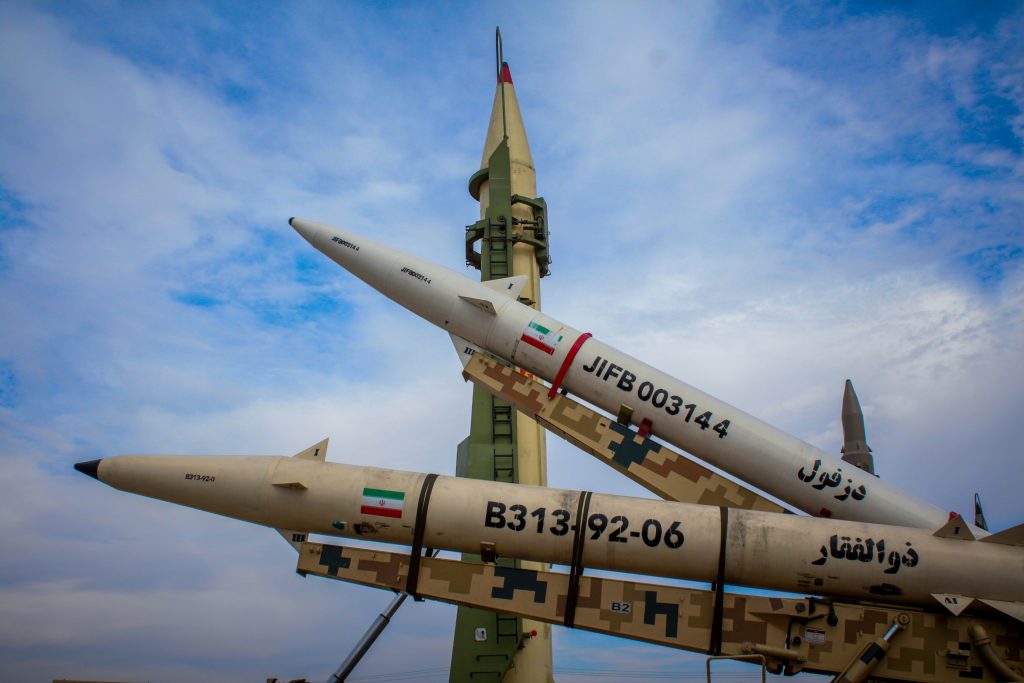
The Nuclear Dispute Still Drives the U.S.-Iran War
The fighting around the Strait of Hormuz has pulled attention toward ships, missiles, and oil prices. But the nuclear dispute remains the center of the U.S.-Iran war. Recent conflict tracking by the Council on Foreign Relations describes the war as rooted in U.S. and Israeli strikes against Iran, followed by Iranian retaliation and a widening regional crisis.
For Washington, the nuclear file is the issue that turns a regional military crisis into a strategic one. U.S. officials want any ceasefire or follow-on agreement to limit Iran’s ability to rebuild or advance nuclear work. Iran, meanwhile, sees nuclear concessions as inseparable from sanctions relief, security guarantees, and an end to direct attacks.
This is why a shipping deal alone may not be enough. Reopening Hormuz can reduce the immediate economic shock, but it does not settle the question of what Iran is allowed to keep, rebuild, or inspect. It also does not answer how the United States would respond if talks stall and the nuclear program again becomes the headline issue.
The war may be playing out at sea this week. The hardest bargaining is still about nuclear limits and political trust.
Sources reviewed: AP News, Axios, and the Council on Foreign Relations.