 Vanitiro Editorial Team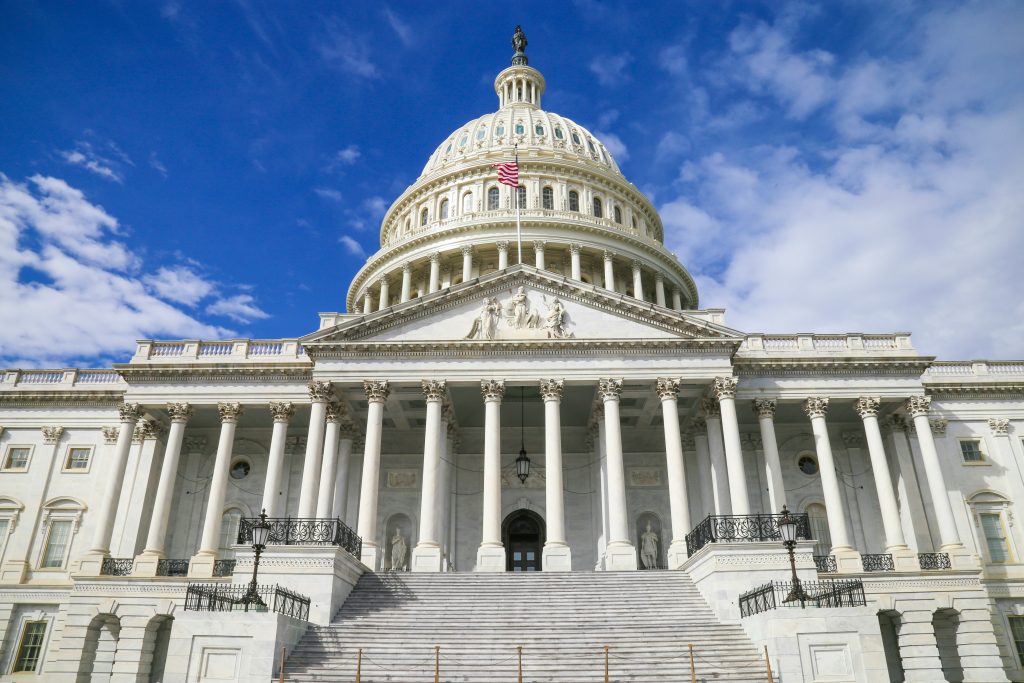
U.S.-Iran diplomacy is now focused on whether a short framework can stop the fighting long enough for deeper talks to begin. Recent reporting describes discussions around a one-page memo that could outline basic terms on the ceasefire, the Strait of Hormuz, and Iran’s nuclear program.
What U.S.-Iran diplomacy is trying to solve
A narrow document can be useful because neither side appears ready for a full peace agreement. A one-page deal gives Washington and Tehran a way to test intent without settling every detail at once. It can also give allies, markets, and military commanders a clearer signal about whether the ceasefire is more than a temporary pause.
The difficult part is that the biggest issues remain connected. The United States wants limits on Iranian attacks in the Gulf and progress on the nuclear file. Iran wants relief from pressure, limits on U.S. strikes, and proof that diplomacy will produce more than demands. That makes even a short memo politically heavy.
For the U.S. audience, U.S.-Iran diplomacy is not abstract. A failed deal could mean more naval operations, higher energy risk, and a sharper fight in Congress over the president’s authority. A successful deal would not end the rivalry, but it could create the first real off-ramp from escalation.
The memo approach also gives both governments room to manage politics at home. Leaders can describe the document as a limited understanding rather than a broad concession. That may be the only practical way to move U.S.-Iran diplomacy forward while military pressure and public suspicion remain high.
For markets, even a partial framework can matter. Traders and shipping firms respond to credible signals that the route will remain open. If the memo lowers the chance of a surprise strike or closure threat, it can reduce pressure before a final agreement exists.
Follow Vanitiro’s newsletter for more U.S.-focused politics coverage. Sources reviewed include Axios, AP News, and the Council on Foreign Relations.