 Vanitiro Editorial Team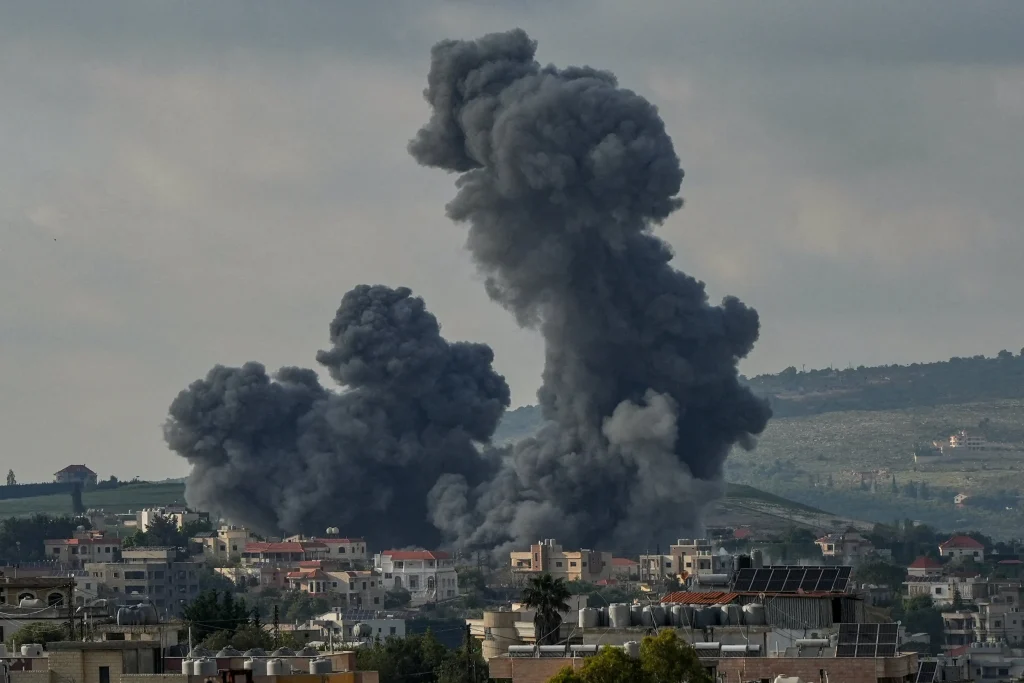
Strait of Hormuz clash reporting has pushed the U.S.-Iran ceasefire back into the center of Washington’s foreign policy debate. The latest exchange near the Gulf waterway matters because the strait is not just a military location. It is a pressure point for energy prices, shipping insurance, and the political argument over whether the United States can contain the war without widening it.
Why the Strait of Hormuz clash matters
The clash shows how fragile the ceasefire remains. U.S. officials have said American forces are protecting navigation and responding to threats against ships. Iran has argued that U.S. military action violates the pause in fighting and has warned that more strikes could bring retaliation. Those positions leave little room for a mistake at sea.
For American voters, the Strait of Hormuz clash can feel distant until the costs move through the economy. A disrupted shipping lane can affect oil prices, fuel costs, and market confidence. It can also force Congress to decide whether current military operations need tighter limits or a more formal debate over war powers.
The strategic challenge for Washington is to keep the route open without creating a cycle of strike and counterstrike. That is why the clash is being watched alongside diplomatic talks and U.N. pressure. If the ceasefire holds, the incident may become a warning sign. If it breaks, it could become the moment that pulled the conflict back toward open war.
The immediate question is whether commanders on both sides can keep tactical decisions from becoming strategic escalation. A warning shot, drone interception, or misread movement near a commercial vessel can quickly become a political crisis. That is why the Strait of Hormuz clash is being treated as both a naval event and a test of crisis management.
That makes restraint a policy choice, not a passive outcome. The United States needs deterrence strong enough to protect ships, but narrow enough to avoid turning every incident into a wider campaign.
Read more from Vanitiro’s editorial focus. Sources reviewed include AP News, Axios, and the Council on Foreign Relations.