 Vanitiro Editorial Team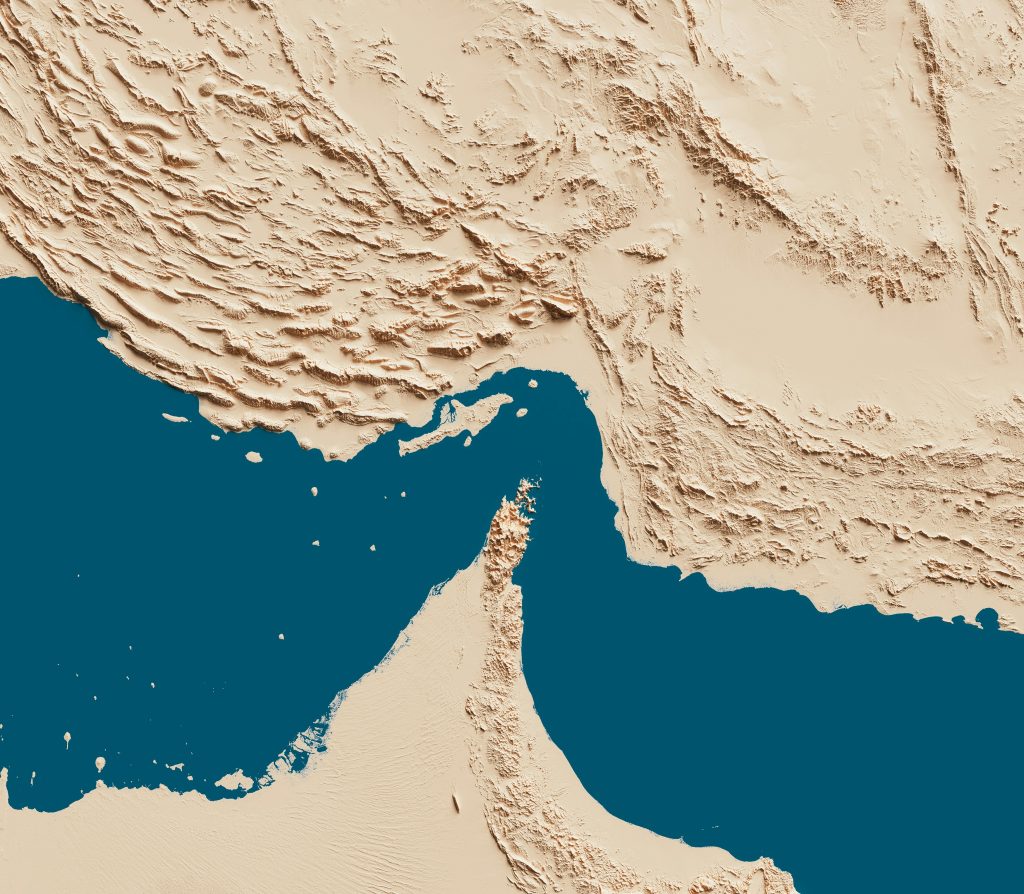
Why the U.N. Sanctions Push Is About Hormuz
The United States and Gulf partners are pushing the United Nations to increase pressure on Iran over the Strait of Hormuz. Recent AP reporting says the proposed resolution would threaten sanctions or other measures if Iran does not stop attacks on ships, end what opponents call illegal tolls, and disclose mines that threaten navigation.
The U.N. track matters because it moves the conflict from a direct U.S.-Iran military contest into a broader international fight over shipping rights. Washington wants to frame Hormuz as a global commerce issue, not only an American security issue. Gulf states have an even more immediate interest because their energy exports and port economies depend on the route staying open.
U.N. sanctions would give Washington a tool that reaches beyond the immediate naval fight. The debate also matters for U.S. voters because shipping disruption can affect oil prices, inflation pressure, and the case for continued military action. Read Vanitiro’s editorial focus. Sources reviewed include AP News, Axios, and CFR.
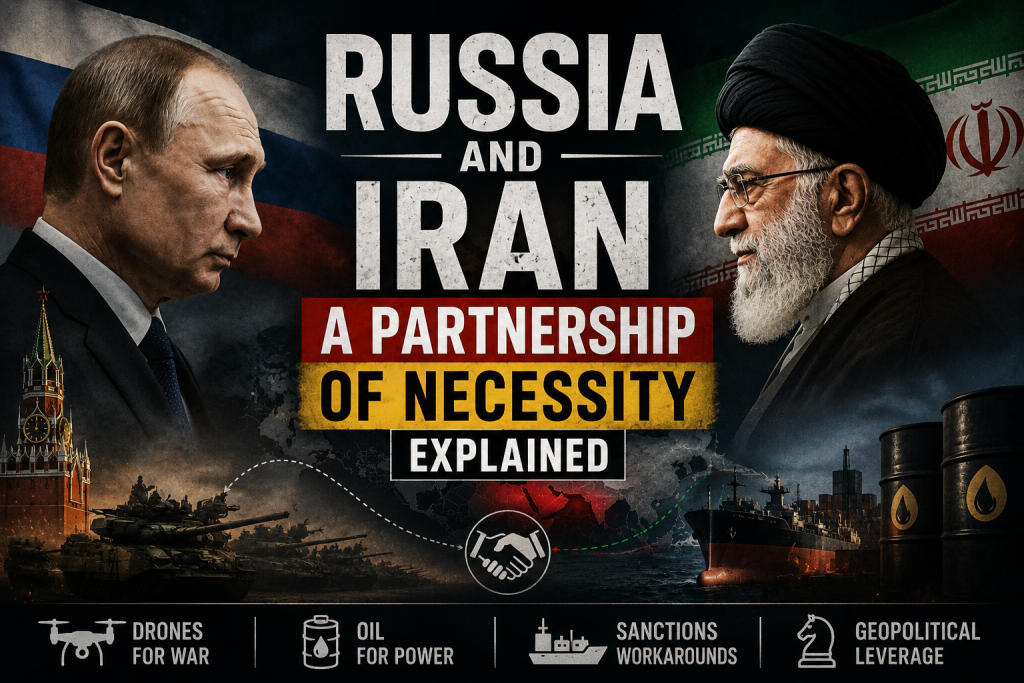
Iran has used the strait as leverage because it is one of the few places where regional pressure can become global pressure almost immediately. That leverage also carries risk. The more Iran is seen as threatening civilian shipping, the easier it becomes for the United States to build a coalition around sanctions, escorts, or other enforcement steps.
The sanctions push is not a side story. It is part of the same struggle over who controls the cost of keeping Hormuz open.
Sources reviewed: AP News, Axios, and the Council on Foreign Relations.