 Vanitiro Editorial Team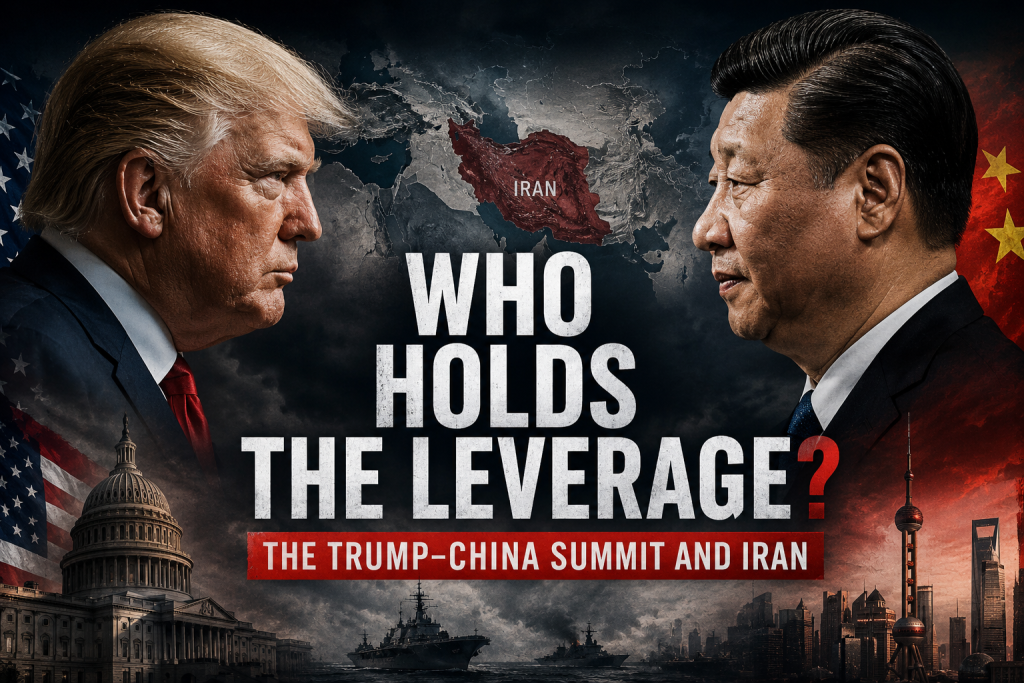
The Trump Beijing summit is being sold as statecraft. It looks more like a boardroom roadshow with nuclear stakes.
Trump has arrived in China for talks with Xi Jinping, and the guest list says the quiet part out loud. According to AP reporting, the trip includes executives such as Elon Musk, Tim Cook, Jensen Huang and other major U.S. business leaders. AP also reported that trade, artificial intelligence and geopolitical issues including Iran are expected to dominate the visit.
That is why this summit should make voters uncomfortable. A president can bring business leaders abroad. But when the country is staring at Iran, Taiwan, tariffs, AI chips and energy shocks, the optics are brutal: America’s public power is standing beside private profit and asking Beijing to open the door.
Trump Beijing summit optics are the problem
The pro-Trump argument is obvious. China is too important to ignore. American companies need market access. AI chip rules, rare earths, aircraft sales, farm exports and consumer supply chains all run through this relationship.
That argument has force. It is also incomplete.
Because this is not a trade mission in normal times. Iran is still hanging over the talks. The Strait of Hormuz remains a pressure point. Taiwan is a live strategic risk. The world is watching whether Trump walks into Beijing as a superpower leader or as a dealmaker who needs Xi to help clean up crises elsewhere.
Vanitiro covered that danger in Trump China Summit: Iran Strategy or Theater?. The same question is sharper today: is this leverage, or is Trump dressing weakness in corporate logos?
The CEO delegation changes the message
Elon Musk wants China. Tim Cook has spent years balancing Apple’s supply chain against U.S.-China tension. Jensen Huang needs a path through AI chip controls without handing Beijing the keys to advanced U.S. technology. Boeing, finance, agriculture and payments companies all want access too.
None of that is shocking. These companies have shareholders. Their job is not to defend Taiwan, stabilize the Gulf or preserve U.S. leverage. Their job is to win markets.
The president’s job is different. That is why the Trump Beijing summit is polarizing. If Trump gets concrete concessions, supporters will call him the only leader blunt enough to drag China into a grand bargain. If he returns with vague promises and photo-friendly handshakes, critics will say he turned foreign policy into a sales conference.
Iran makes the Trump Beijing summit harder to spin
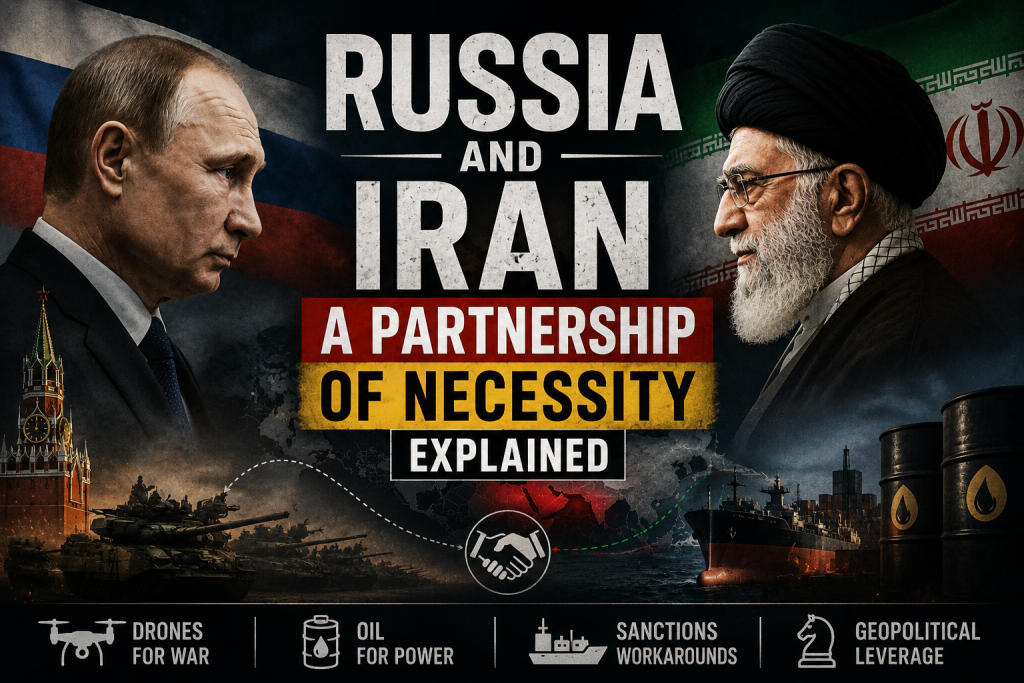
Trump has said he does not need Xi’s help on Iran, but the map says otherwise. China buys heavily from Iran. Beijing has influence in Tehran. Energy markets react when Hormuz looks unstable. Vanitiro’s coverage of the U.N. sanctions push and Strait of Hormuz crisis explains why this issue cannot be treated as background noise.
If China helps cool Iran, Trump can claim the trip worked. If China refuses to move, the CEO caravan starts looking like a distraction from a president asking a rival for help he says he does not need.
That is the part supporters should not wave away. Strength is not the same as arrival. A summit is not an outcome. Boeing orders do not make a Taiwan strategy. Chip-access conversations cannot substitute for an Iran settlement.
What would count as a real win?
Skip the airport footage. Forget the dinner photos. Treat the posts about “opening up China” as noise. The scoreboard is simple.
- Does China make a measurable move on Iran or Hormuz?
- Does Trump protect Taiwan without muddy language?
- Do AI chip talks preserve U.S. security advantages?
- Do trade announcements survive more than one news cycle?
- Do American workers gain, or only American executives?
Those are the standards. Anything less is political theater.
Readers tracking the Iran side should also see Vanitiro’s guide to U.S.-Iran diplomacy and the one-page deal, plus the breakdown of how a U.S.-Iran war reaches American voters through prices and politics. The summit only makes sense when those costs are kept in view.
My take: Trump brought the wrong symbol
The Trump Beijing summit could still deliver. Xi may want stability. Trump may extract enough on trade, fentanyl precursors, AI or Iran to justify the spectacle. That is possible.
But the symbolism is backwards. At a moment when voters need proof that Washington is in control, Trump arrived with a lineup that makes the trip look like a corporate access package.
Maybe that is the Trump theory of power: put billionaires in the room, force movement, and call it peace through commerce. Maybe it works.
Or maybe Beijing sees exactly what everyone else sees: a U.S. president under pressure, surrounded by executives who need China, trying to make dependence look like dominance.
Your turn: is Trump using CEOs as leverage against Xi, or did he just make America look easier to bargain with?