 Vanitiro Editorial Team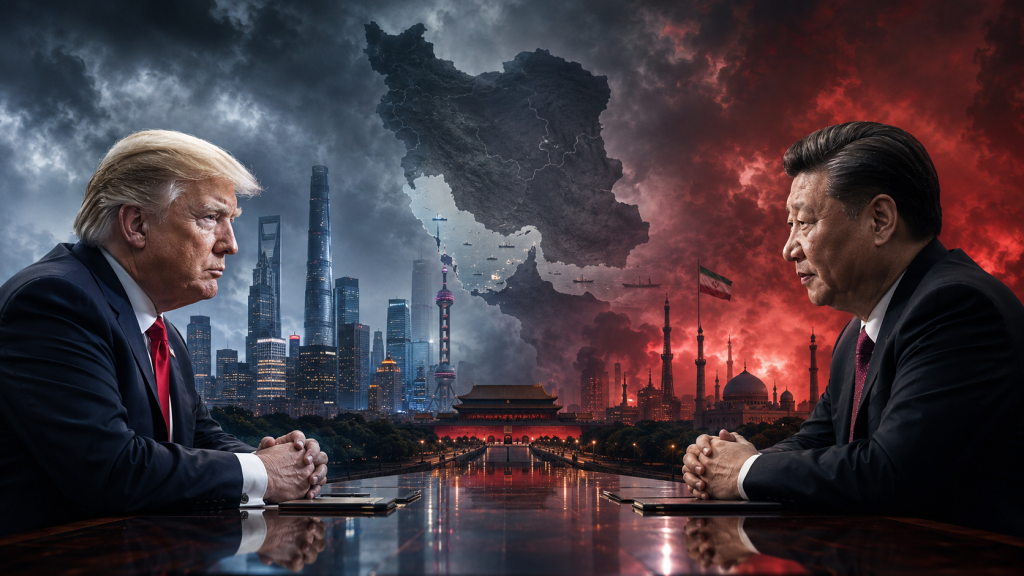
The Trump China summit is not just another diplomatic photo op. It is the cleanest test yet of whether Donald Trump is practicing hard-nosed statecraft or staging geopolitical theater while the Iran crisis burns in the background.
According to AP reporting, Trump is heading to Beijing to meet Xi Jinping after weeks of trying to get China to pressure Iran toward U.S. terms. That makes the timing explosive. Iran, trade, Taiwan, fentanyl precursors, and the entire U.S.-China relationship are now stacked onto one summit table.
Pick a side: either this is the bold leverage play Trump supporters have been waiting for, or it is a dangerous bet that confuses movement with progress.
Trump China summit stakes: leverage or performance?
The pro-Trump case is simple. Beijing buys Iranian oil. Tehran listens when Chinese interests are on the line. Economic stability matters to Xi as much as political control. So Trump walking into China while the Iran ceasefire is under pressure could force Xi to choose between helping cool the crisis or being blamed for letting it spread.
That is the strongest version of the argument. It is also exactly why the summit is risky.
If Trump comes home with measurable cooperation, he can claim pressure worked. If he comes home with warm language and no concrete movement on Iran or the Strait of Hormuz, the trip starts looking like a stage set: flags, handshakes, and headlines covering for a strategy that has not delivered.

Iran is the problem Trump cannot spin away
The summit is happening as Trump’s Iran diplomacy appears to be fraying. Axios reported that Trump discussed possible renewed military action after Iran rejected major parts of the U.S. proposal. AP also reported that Trump called Iran’s latest response unacceptable before the China trip.
That puts the Trump China summit in a brutal spotlight. If China can help push Iran toward a deal, Trump gets to argue that maximum pressure still works. If China shrugs, the White House has a problem: the president will have flown across the world to ask a rival superpower for help he may not get.
That is not weakness by itself. Presidents negotiate with rivals all the time. The weakness would be pretending that a meeting is an outcome.
Trump-Xi leverage: who needs whom more?
Trump’s political brand is built on the claim that he enters rooms from a position of dominance. Beijing will test that brand in real time.
Beijing knows Trump wants progress on Iran. The U.S. also wants cooperation on fentanyl precursors. Trade tensions can move markets in a single afternoon. Taiwan will remain the hardest issue in the relationship.
So the question is not whether Trump can make the summit loud. Of course he can. The question is whether he can make it useful.
This is where political theater becomes expensive. The same logic shows up in energy and security coverage: a crisis can look contained right until markets and shipping lanes prove otherwise. Vanitiro’s guide to the U.N. sanctions push and the Strait of Hormuz crisis is the context readers need before treating the Beijing meeting like ordinary diplomacy.
Why the Trump China summit will divide everyone
Supporters will say Trump is doing what cautious presidents refuse to do: forcing the biggest player in the room to own the crisis. Critics will say he is outsourcing an Iran problem partly created by escalation and hoping Xi gives him a political exit.
Both camps should be judged by the same standard: results.
- Will China publicly or privately increase pressure on Iran?
- Can the Strait of Hormuz move closer to reopening?
- Does the summit produce specific trade or fentanyl commitments?
- Will Taiwan stay stable, or does the meeting create fresh ambiguity?
- Can Trump return with enforceable commitments, or only political narration?
The answers matter more than the optics. Readers following the wider regional chain should also read Vanitiro’s coverage of U.S.-Iran diplomacy and the one-page deal, plus the breakdown of how a U.S.-Iran war reaches American voters through prices and politics.
The Trump China summit is a high-risk bluff
The Trump China summit could become a win. But right now, it looks less like a controlled strategy and more like a high-risk bluff built around one assumption: that China wants stability badly enough to help Trump solve Iran on Trump’s terms.
Maybe Beijing plays along. Maybe Xi decides an unstable Gulf is bad for China’s economy and nudges Tehran toward a deal. If that happens, Trump will have earned the victory lap.
But if Beijing gives him polite words and little else, the summit will expose the danger of Trump’s approach: big pressure, big promises, and very little margin for failure.
That is why this meeting matters. Not because Trump is going to China. Because Beijing may reveal whether his Iran strategy has actual leverage behind it.
Your turn: is the Trump China summit a smart leverage play, or is Trump walking into Beijing needing Xi more than Xi needs him?